Carced News
Hyundai's Self-Driving Plan Is Two Years Late, But Its Real Advantage Is Something Tesla Can't Copy
Hyundai's autonomous driving timeline slipped by two years. What it's building instead is a fleet-scale data advantage that could matter more than being first.

Being Late Isn’t The Same As Being Wrong
Every automaker’s self-driving timeline has slipped at some point, so Hyundai admitting its proprietary system is landing roughly two years behind schedule isn’t shocking on its own. What’s more interesting is the strategy underneath the delay — because Hyundai isn’t just buying an off-the-shelf autonomy stack, and it’s not trying to out-Tesla Tesla on marketing hype either.
The Nvidia Partnership Isn’t A Hand-Off
Hyundai executive Park Min-win, a former Nvidia exec who joined the company at the start of the year, has been explicit about this: “Our partnership with Nvidia is not about leaving our destiny entirely in their hands.” The next-gen system uses Nvidia’s Hyperion 10 platform with cameras, ultrasonic sensors, and radar, feeding data into Hyundai’s own Atria software platform. That’s a meaningfully different posture than simply licensing someone else’s full solution — Hyundai wants the hardware partnership without ceding control of the actual driving intelligence.
The Rollout Is Genuinely Staged
Level 2+ systems arrive in production vehicles in the first half of 2028. Level 2++ follows in the second half of that year. The full Atria end-to-end system, still classified as Level 2++, lands in the second half of 2029, with an eventual LiDAR-equipped Level 3 hands-off capability still further out. That’s a deliberately conservative, incremental rollout rather than a big-bang launch — which, given how many competitors have overpromised on autonomy timelines, might actually be the more trustworthy approach even if it’s less exciting.
The Data Advantage Is The Real Story
Here’s what makes this genuinely competitive rather than just catching up: Hyundai’s annual global fleet, including Kia and Genesis, exceeds 7 million new vehicles a year. The company claims it will surpass many competitors in accumulated driving data by 2033 purely on the strength of that fleet size, following Tesla’s playbook of harvesting real-world driving data at scale. Tesla’s advantage has always been partly about fleet size feeding its training data — Hyundai is explicitly building the same flywheel, just starting later and with more brands’ worth of vehicles contributing.
My Take
Two years late sounds bad in a press release, but the more useful question is whether Hyundai’s approach — genuine hardware co-design rather than dependency, staged capability rollout, and a fleet-scale data advantage across three brands — produces a system that’s actually trustworthy when it ships, rather than one that’s rushed and walked back after a bad headline. Being second with something reliable beats being first with something that erodes public trust in the entire category. Given how much scrutiny autonomous systems are under right now, that patience might be Hyundai’s smartest asset.
Do you think fleet-scale data volume actually translates into better real-world autonomy, or does approach and engineering quality matter more than raw miles driven? I’d love to hear from anyone who’s used a Hyundai or Tesla ADAS system extensively.
More Carced news

You Can Buy HWA's $760K New 190E Evo II, Or The Real Thing For Less — And That's A Genuinely Hard Choice
A restomod exists to solve the problem of an original being too rare, too fragile, or too expensive to actually use. This time, the original might be the cheaper option.
Read article
Genesis Just Patented The G90 Coupe And Convertible, And That's More Than Just Paperwork
A design patent isn't a production announcement, but Genesis wouldn't bother protecting a design it had no intention of ever building — and having seen the Convertible in person, I understand why they'd want to.
Read article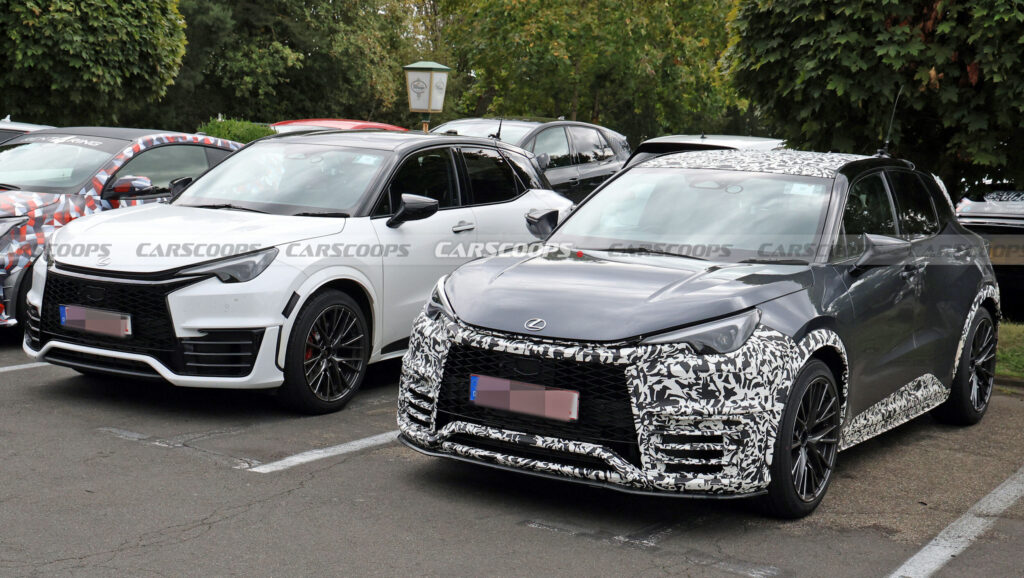
Lexus Is Building An Even Hotter LBX, And Carbon Fiber Is Doing All The Talking
The existing LBX Morizo RR already had a manual gearbox and GR-derived power. This new version's whole mission is shedding weight, and it's doing it with carbon fiber almost everywhere.
Read article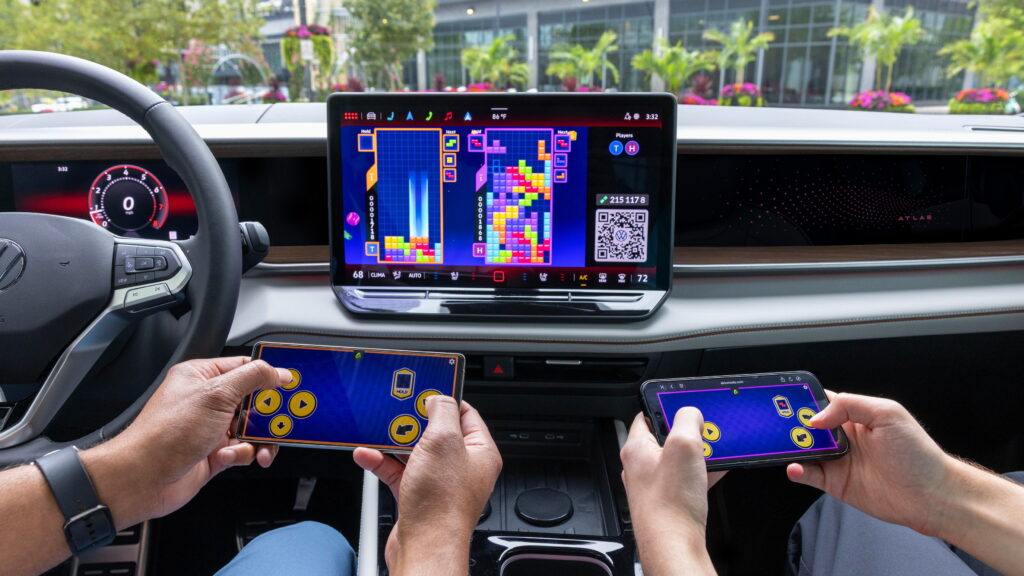
VW Wants $149 A Year To Turn Your Parked Car Into A Game Console, And I'm Weirdly Okay With It
Yet another automotive subscription fee sounds exhausting on principle. But this one is actually solving a real, specific dead-time problem — and it's bundled with features people already pay for anyway.
Read article